Why You Shouldn’t DIY Plumbing Installation in Houston
Plumbing installation looks more straightforward than it is. Swap out the old toilet, connect the new one, done — right? In practice, installation mistakes are among the most common causes of the plumbing failures we’re called to fix. And they’re often more disruptive and expensive to correct than the original job would have been.
Most Plumbing Installation Requires a Licensed Plumber in Texas
Texas state law requires a licensed plumber for most plumbing installation work beyond basic fixture swaps. Unpermitted installations can result in failed inspections, code violations, and complications, including required removal of the unpermitted work, when you go to sell your home.
Improper Installation Causes Leaks That Hide for Months
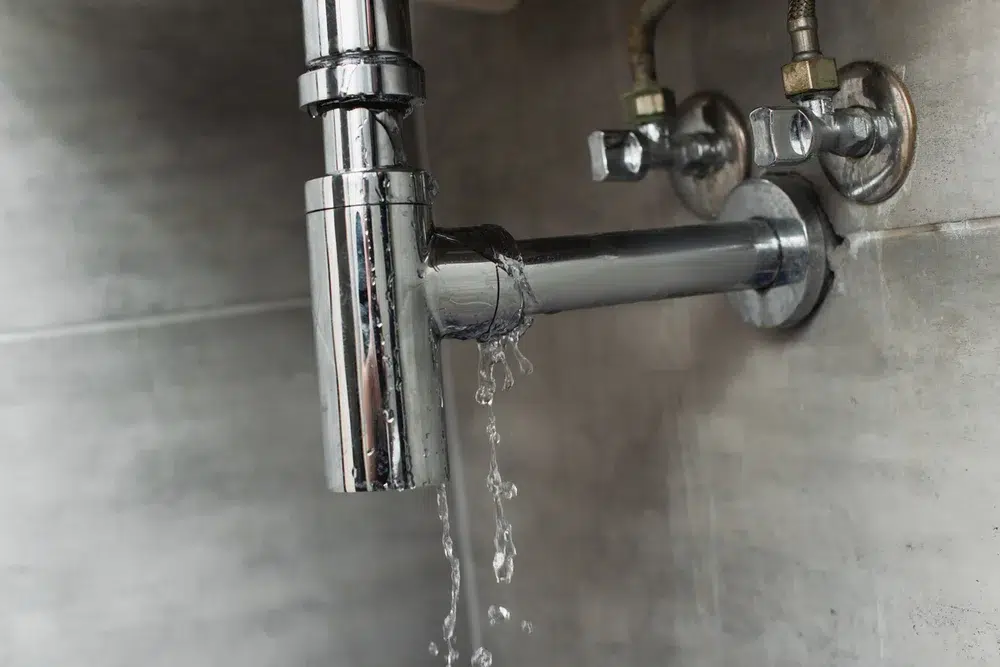
A connection that isn’t quite right, a supply line that isn’t fully secured, or a wax ring that wasn’t seated properly may not leak immediately. These failures often develop slowly, hidden inside walls or under floors, until water damage becomes significant. By the time it’s visible, the cost of remediation can far exceed the cost of proper installation.
Fixture Warranties Are Voided by Non-Professional Installation
Most plumbing fixture and appliance manufacturers require professional installation to honor the product warranty. A DIY installation that fails, and is later found not to have been professionally installed, leaves you with no warranty coverage and no recourse with the manufacturer.
Sizing and Compatibility Matter More Than They Appear
Water heaters need to be correctly sized for your household demand and properly matched to your gas or electrical supply. Filtration systems need to be matched to your water quality. Pipe materials need to be compatible with what’s already in the system. Getting these details wrong leads to poor performance, accelerated wear, or outright failure.
Code Compliance Protects Your Home and Your Investment
Plumbing code exists for good reasons — proper venting prevents sewer gas from entering the home, correct pipe sizing ensures adequate pressure, and approved materials protect against contamination. A licensed plumber knows the code and installs to it. DIY work that doesn’t meet code creates liability that follows the home.
If you’re comfortable handling simple tasks like replacing a showerhead or swapping an aerator, go for it. But for anything involving supply lines, drain connections, gas hookups, or new fixture rough-in, having a licensed plumber do the work protects your home, your warranty, and your investment.
 24/7 Emergency Services


 24/7 Emergency Services