
That small spike in your water bill? The faint musty smell in your hallway? These might be signs of a hidden water leak—and in Houston’s humid climate, even a small leak can turn into a big problem fast.
The tricky part is that most water leaks aren’t obvious. They hide behind walls, under foundations, and in places you’d never think to look. By the time you notice something’s wrong, the damage is already done.
This guide will help you detect water leaks before they drain your wallet and damage your home.
How to Detect Water Leaks in Your Houston Home
Before calling a plumber, there are some simple checks you can do yourself. Here’s how to detect water leaks using methods that don’t require any special tools.
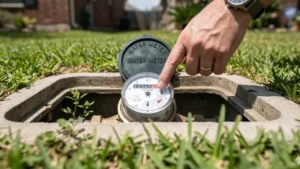
The water meter test is the most reliable DIY method. Turn off every water source in your home—faucets, dishwasher, washing machine, ice maker, everything. Check your water meter and write down the numbers. Wait two hours without using any water, then check again. If the numbers changed, you have a leak somewhere.
Check your water bill history. A family of four typically uses around 12,000 gallons per month. If your usage has crept up without any lifestyle changes, that’s a red flag. Houston water rates aren’t getting cheaper, so an unexplained increase of $20-50 per month often points to a leak.
Listen at night. When the house is quiet, walk through and listen for running water, dripping, or hissing sounds. Pay attention near walls, under sinks, and around toilets.
Signs of a Hidden Water Leak
Some leaks announce themselves with a flooded floor. Most don’t. Here’s what to look for:
Visual signs:
- Water stains on ceilings or walls (yellow or brown spots)
- Bubbling, peeling, or warping paint
- Warped or buckling flooring
- Mold or mildew in unusual places
- Cracks in walls or foundation (new or expanding)
Sensory signs:
- Musty or earthy smell, especially in closed rooms
- Sound of running water when nothing is on
- Warm spots on floors (could indicate a hot water line leak)
Utility signs:
- Water bill increasing without explanation
- Water heater running constantly
- Low water pressure throughout the house
If you’re noticing water heater issues alongside these signs, the leak might be in your hot water lines.
How to Find Water Leaks Inside Walls
Wall leaks are particularly frustrating because you can’t see them directly. Here’s how to detect water leaks inside walls without tearing everything apart.
Look for discoloration. Water travels downward, so stains often appear below the actual leak source. A stain on your first-floor ceiling might mean a leak in a second-floor bathroom.
Feel the wall. Damp drywall feels soft or spongy. In humid Houston weather, this can be subtle—compare the suspect area to a wall you know is dry.
Check for warping. Press gently on the wall. If it flexes more than it should, moisture has likely compromised the drywall.
Use your nose. Mold grows quickly in Houston’s humidity. A persistent musty smell near a specific wall usually means moisture is trapped inside.
Watch for paint bubbles. When water gets between the wall and paint, it creates bubbles or causes the paint to peel away from the surface.
Professional leak detection services use thermal imaging and acoustic equipment to pinpoint leaks without opening walls. This technology can save thousands in unnecessary demolition.
Foundation and Slab Leak Detection
Houston’s clay soil is notorious for shifting, which puts stress on the pipes running under your foundation. Slab leaks are among the most expensive to ignore—and the hardest to detect.
Signs of a slab leak:
- Hot spots on your floor (hot water line leak)
- Sound of water running under the floor
- Cracks in flooring or foundation
- Water pooling around the foundation exterior
- Sudden drop in water pressure
- Foundation shifting or doors not closing properly
How to detect water leaks under your slab:
The meter test works here too, but slab leaks often need professional equipment. Plumbers use acoustic listening devices that can hear water escaping through concrete—something you won’t detect with your ear against the floor.
If you suspect a slab leak, don’t wait. Water under your foundation erodes soil, causes settling, and can compromise your home’s structural integrity. In Houston, foundation repairs easily run $5,000-$15,000. Catching a slab leak early is significantly cheaper than fixing foundation damage.
How to Detect Water Leaks Underground
Underground leaks in your main water line or irrigation system are sneaky. The water just soaks into the soil, and you might not notice until your bill doubles.
Signs of an underground leak:
- Unexplained wet or soggy spots in your yard
- Grass that’s greener in one patch than the rest
- Sinkholes or dips forming in your lawn
- Reduced water pressure inside the house
- Dirt or debris in your water
- Sound of running water near your meter
Check your irrigation system. Run each zone manually and look for geysers, soggy areas, or heads that aren’t spraying properly. A cracked irrigation line can waste thousands of gallons monthly.
Inspect the area between your meter and house. This is your responsibility as a homeowner—the city covers from the main to your meter, but the line from the meter to your house is on you.
For underground leaks, professional detection is usually necessary. Plumbers use specialized equipment to trace the line and locate breaks without digging up your entire yard. If the line is old or corroded, whole-house repiping might be more cost-effective than multiple repairs.
What a Water Leak Is Actually Costing You
A small leak doesn’t seem like an emergency—until you do the math.
Water waste costs:
A leak that drips once per second wastes about 3,000 gallons per year. That’s roughly $20-30 on your Houston water bill annually. Not catastrophic.
But a 1/8-inch crack in a pipe can leak 250 gallons per day—that’s 7,500 gallons per month, adding $50-100 to your bill and wasting water Houston increasingly needs.
Damage costs are where it gets expensive:
| Type of Damage | Typical Cost |
|---|---|
| Drywall repair (small area) | $200-$500 |
| Mold remediation | $1,500-$5,000 |
| Flooring replacement | $2,000-$8,000 |
| Foundation repair | $5,000-$15,000 |
| Full water damage restoration | $3,000-$20,000+ |
Health costs matter too. Mold from persistent moisture can cause respiratory issues, allergies, and worsen asthma—especially problematic in Houston’s already humid environment.
The math is clear: spending $150-$400 on professional leak detection is dramatically cheaper than any of these repairs.
When to Call a Professional for Leak Detection
You can handle some investigation yourself, but certain situations call for professional plumbing help:
Call a plumber when:
- Your meter test shows a leak but you can’t find the source
- You suspect a slab or foundation leak
- Water damage is already visible
- Your water bill has increased significantly with no explanation
- You smell mold but can’t locate moisture
- Multiple fixtures have low water pressure
Call immediately (emergency) when:
- You see active flooding
- Water is coming through walls or ceilings
- You hear rushing water with no source
- Your water heater is leaking significantly
- Sewage smell accompanies the water
For active flooding or major leaks, our emergency plumbing service is available 24/7 in Houston and surrounding areas.
Preventing Future Water Leaks
Once you’ve dealt with a leak, you’ll want to prevent the next one:
Regular maintenance:
- Inspect under sinks monthly for moisture or drips
- Check water heater connections annually
- Monitor your water bill for unusual increases
- Have your plumbing inspected every few years, especially in older Houston homes
Protect your pipes:
- Know where your main shutoff valve is (and make sure it works)
- Insulate exposed pipes, especially during rare Houston freezes
- Keep water pressure below 80 PSI—high pressure stresses joints
- Consider a water treatment system to reduce mineral buildup that corrodes pipes
Houston-specific concerns:
- Clay soil movement puts stress on slab pipes—foundation watering can help
- Older neighborhoods (Bellaire, Meyerland, Heights) often have galvanized pipes that corrode from inside
- Post-storm flooding can introduce debris and damage into your plumbing system
Next Steps
If you’ve noticed any of the warning signs in this guide, here’s what to do:
- Do the meter test to confirm whether you have an active leak
- Check visible areas under sinks, around toilets, and near the water heater
- Document what you find with photos for insurance purposes
- Call for professional leak detection if you can’t locate the source
Contact Luke’s Plumbing for leak detection services in Houston. We use thermal imaging and acoustic technology to find leaks without unnecessary damage to your walls or floors. Serving Houston, Bellaire, and surrounding areas.